Meta-Mar is a free online meta-analysis platform for research and education. ✓ Updated 2025
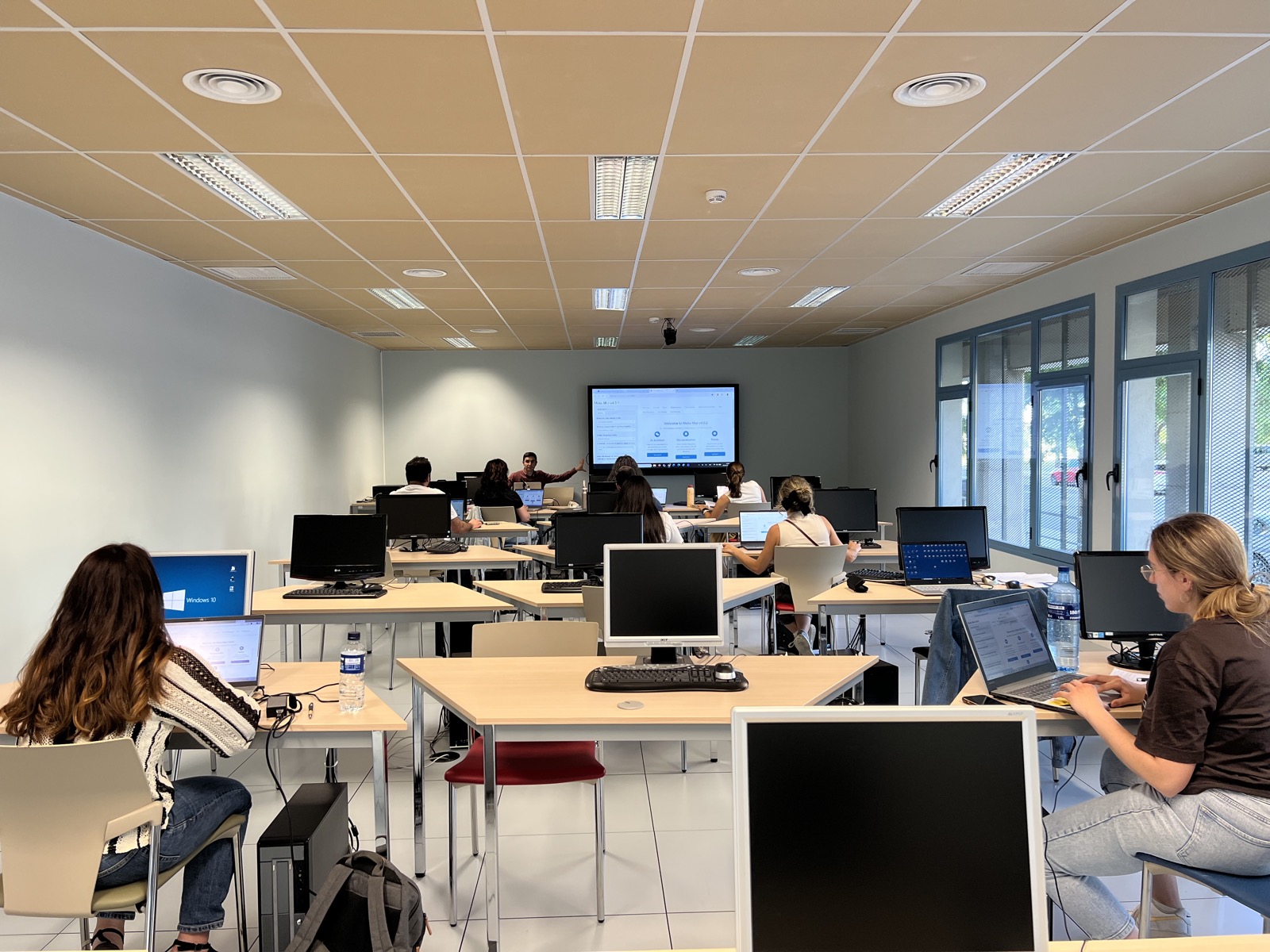
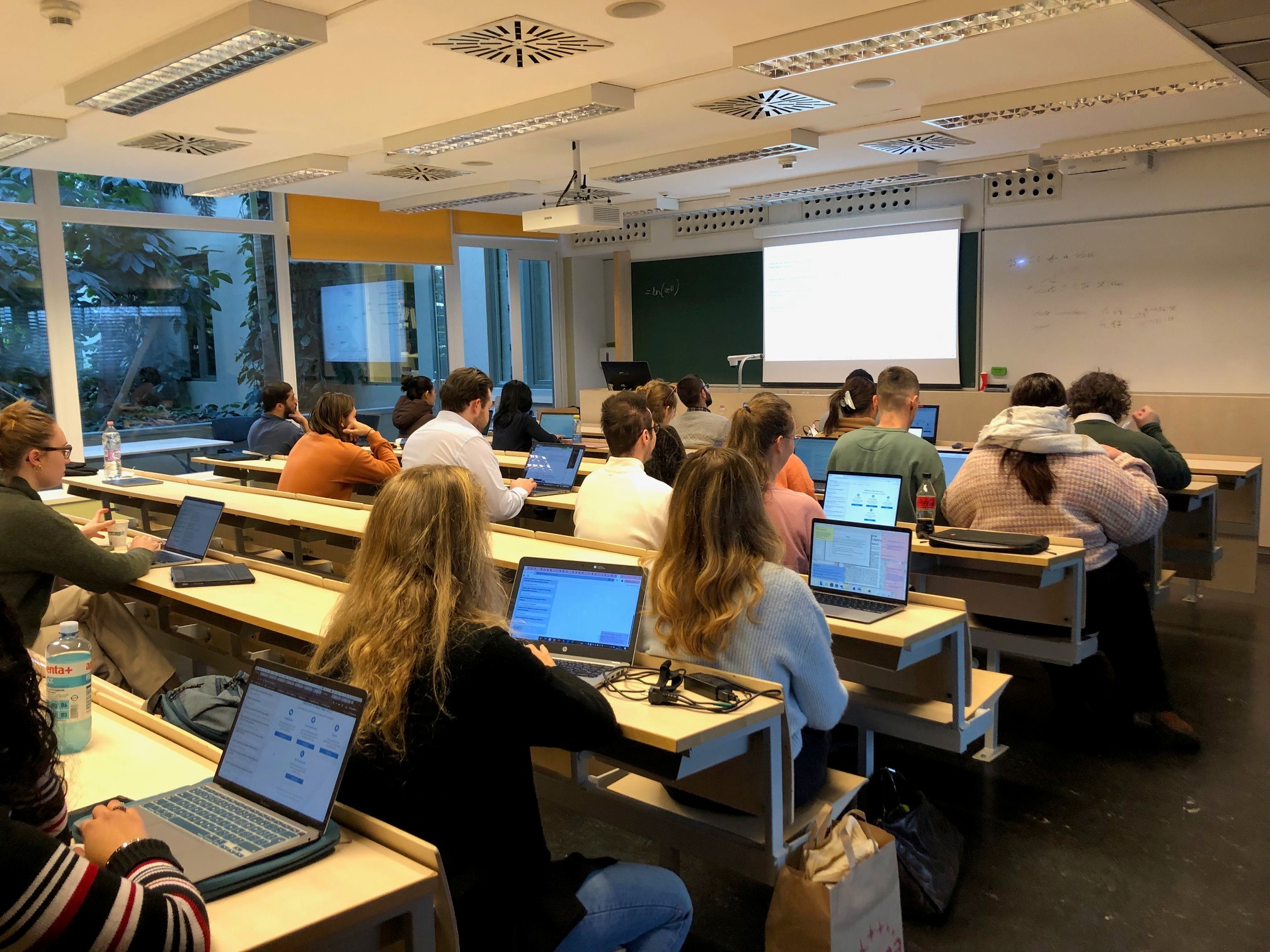
The platform integrates AI assistance to guide users through methodological decisions and interpretation of results. No installation or registration required. The tool supports a wide range of meta-analytic procedures, from basic effect size calculations to advanced heterogeneity assessment and publication bias evaluation. It is designed for researchers, educators, and students across various fields where evidence synthesis is valuable. Meta-Mar was developed with both research and educational purposes in mind. The platform serves as an interactive learning environment where researchers can explore meta-analytic concepts while conducting their analyses. The integrated AI assistant provides context-specific methodological guidance and helps researchers understand the implications of their analytical choices, making it valuable for both experienced researchers and those new to meta-analysis.
| Capability | Description |
|---|---|
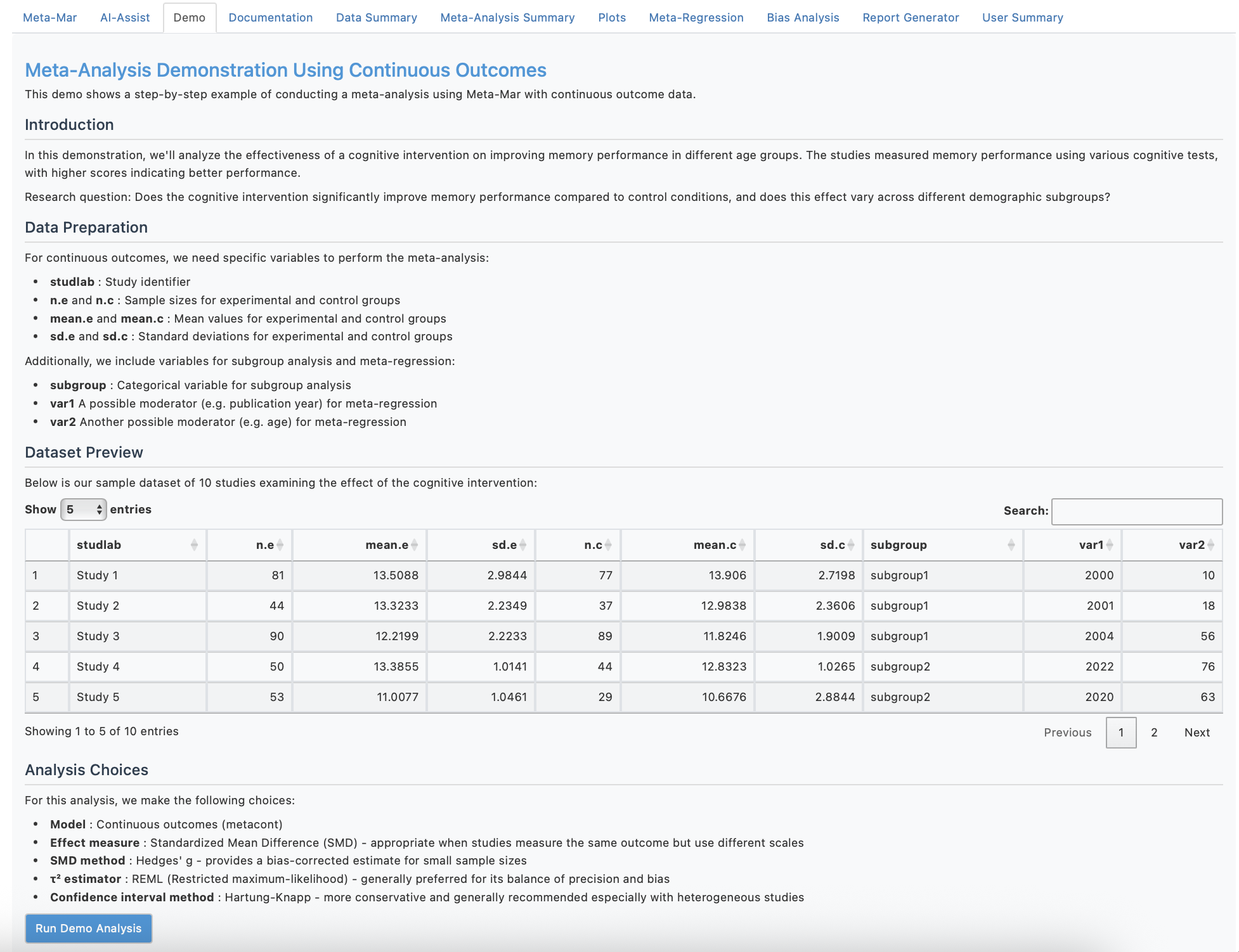
| Methodological Flexibility | Support for various outcome types (continuous, binary, correlations, effect size) and both fixed-effect and random-effects models with multiple estimators (REML, DL, PM, ML, HS, SJ, HE, EB). Implements different calculation methods for confidence intervals (classic, Hartung-Knapp, Kenward-Roger). |
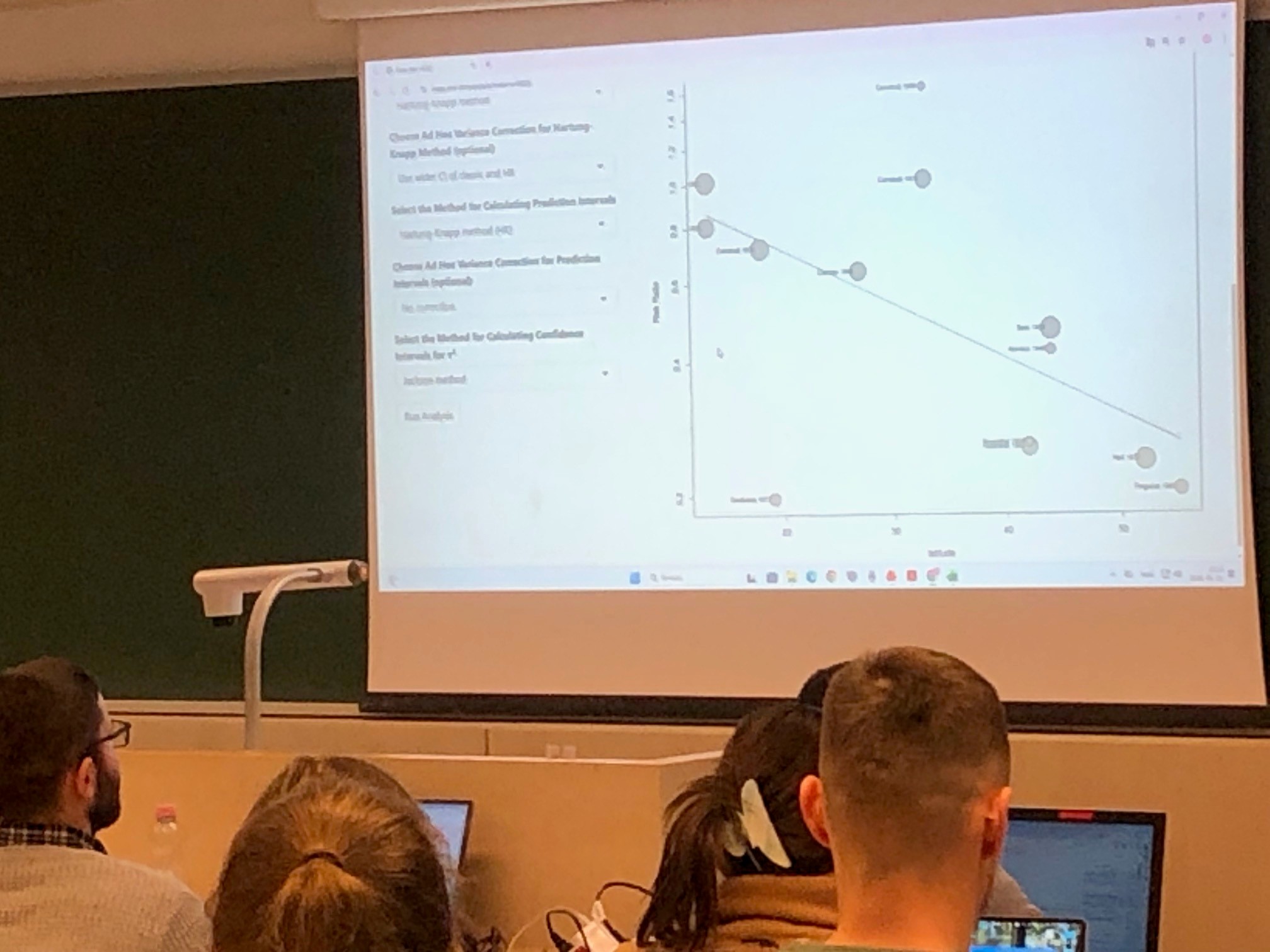
| Visualization Tools | Generates publication-quality forest plots, funnel plots, Galbraith plots, L'Abbe plots, Baujat plots, and bubble plots for meta-regression with customization options for statistical presentation. |
| Heterogeneity Assessment | Calculates heterogeneity statistics including I², τ², and Cochran's Q, with subgroup analysis options to explore sources of variability across studies. |
| Publication Bias | Implements multiple methods for assessing publication bias including Egger's test, trim-and-fill analysis, and fail-safe N calculations (Rosenthal, Orwin, Rosenberg methods). |
| Meta-Regression | Provides tools for exploring relationships between study characteristics and effect sizes through meta-regression analysis with options for continuous and categorical moderators. |
| AI Assistance | Features an interactive AI chatbot that provides methodological guidance, helps with interpretation of statistical outputs, and supports learning about meta-analytic concepts through natural language interaction. Also includes AI-powered report generation for comprehensive summaries of meta-analysis results. |
Beheshti, A., Chavanon, M. L., & Christiansen, H. (2020). Emotion dysregulation in adults with attention deficit hyperactivity disorder: a meta-analysis. BMC psychiatry, 20, 1-11. https://www.meta-mar.com
Effective Date: 24.12.2024
Meta-Mar is committed to ensuring user privacy while providing an effective platform for conducting meta-analyses. This policy outlines our data practices regarding user-uploaded data and AI chatbot interactions.
For privacy inquiries, please contact: a.beheshti@posteo.de
Meta-Mar is a free and open-source platform for meta-analysis research and education.
If Meta-Mar has been valuable for your research or teaching, consider supporting its continued development and maintenance. Your contribution helps keep the platform free and accessible for researchers worldwide.
Support Meta-Mar development with a one-time contribution. Every amount helps maintain servers, improve features, and keep the platform free for all researchers.
Secure payment processing via Stripe. All contributions go directly toward Meta-Mar development and infrastructure.
Help shape Meta-Mar's future by indicating which development areas matter most to you. Select all that apply:
Every contribution, regardless of size, helps maintain Meta-Mar as a free resource for the global research community.
Thank you for being part of the Meta-Mar community. Whether through financial support, feedback, or simply using the platform for your research, you contribute to making meta-analysis accessible to researchers worldwide.